When consumers pick up a cosmetic product today, they expect more than just results. They want an experience. A face wash that feels refreshing, a lotion that feels comforting, or a shampoo that leaves behind a clean, long-lasting scent — these small sensory moments shape how people connect with a brand.
That’s exactly why fragrance has become one of the most powerful elements in the cosmetics industry.
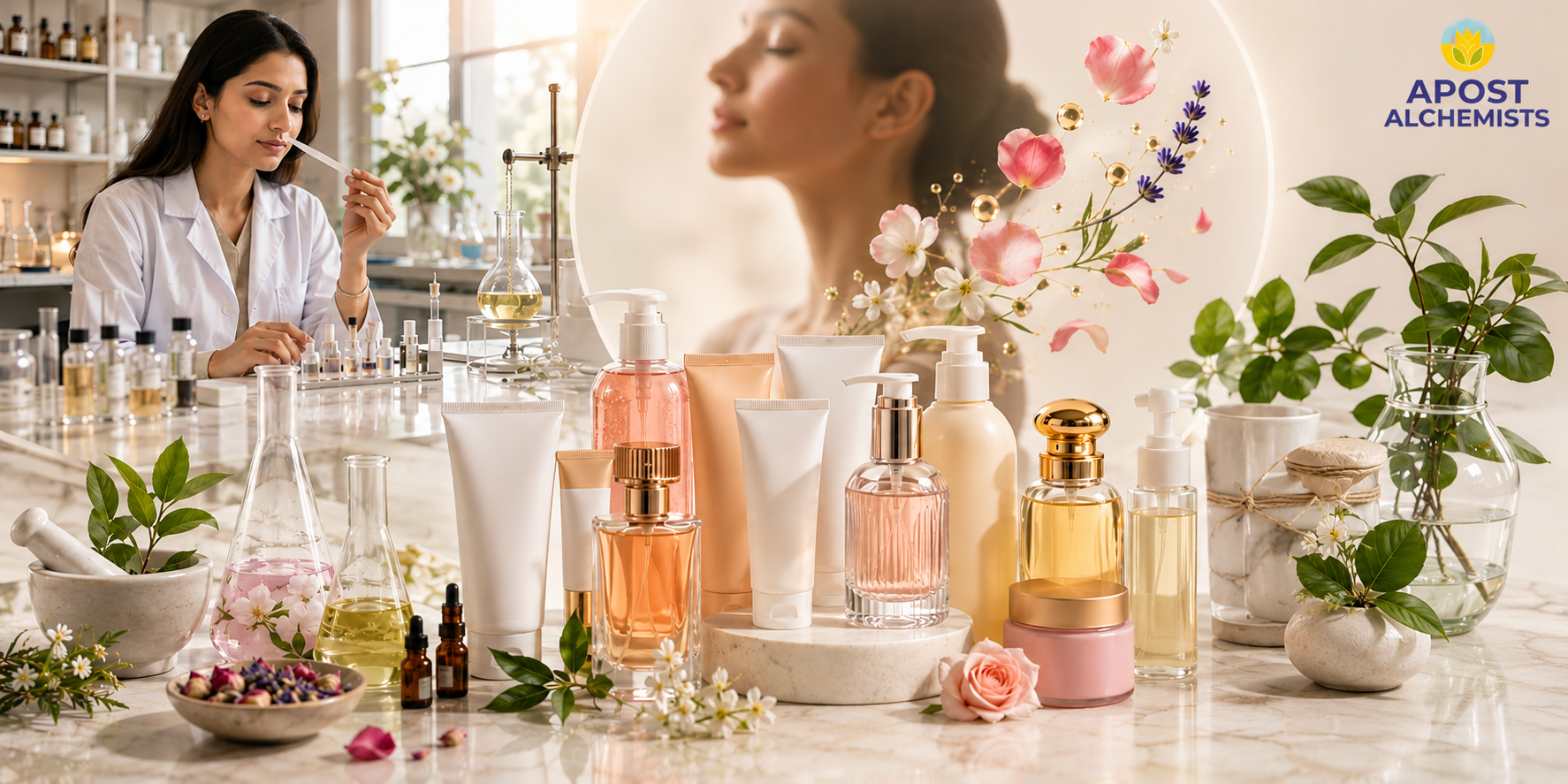
Behind every memorable cosmetic product is often a fragrance manufacturer working quietly in the background, helping brands create scents that consumers remember and return to. A fragrance manufacturer for cosmetics is no longer just a supplier; they are an important creative and technical partner in product development.
As beauty and personal care markets continue to evolve, fragrance is playing a bigger role in influencing buying decisions, customer loyalty, and overall brand identity.
Here’s how fragrance manufacturers are shaping the future of cosmetics.
Fragrance Is Becoming Part of Brand Identity
Consumers today associate scent with emotion and memory. A particular fragrance can instantly remind someone of a skincare ritual, a salon visit, or a favorite beauty product they’ve used for years.
Because of this, cosmetic brands are moving away from generic fragrances and investing in more personalized scent profiles. A fragrance manufacturer helps brands create signature fragrances that match their positioning, audience, and product philosophy.
For example:
- Fresh citrus and aqua notes often work well for cleansers and face washes.
- Soft florals and creamy notes are commonly used in lotions and skincare.
- Fruity or herbal fragrances are popular in shampoos and haircare products.
- Mild powdery notes are preferred in baby care and sensitive-skin categories.
The goal is no longer simply to make products “smell nice.” It’s about creating a fragrance that consumers emotionally connect with.
The Technical Side of Cosmetic Fragrance Matters
Creating fragrance for cosmetics is much more complex than many people realize.
A scent may smell beautiful in a bottle, but it also needs to remain stable inside the product formulation. Fragrances interact differently with creams, gels, soaps, shampoos, oils, and water-based products.
A reliable fragrance manufacturer understands:
- Product chemistry
- Ingredient compatibility
- pH stability
- Heat resistance
- Shelf-life performance
This expertise ensures that the fragrance remains effective from production to final consumer use.
Without proper formulation support, fragrances can fade quickly, change over time, or affect product performance.
Consumers Are Looking for Cleaner and Safer Products
The beauty industry has changed significantly in recent years. Consumers now pay close attention to ingredients, safety, and transparency.
This shift has pushed cosmetic brands to work with fragrance manufacturers who follow strict quality and compliance standards.
Today, many brands look for:
- IFRA-compliant fragrances
- Skin-friendly formulations
- Transparent sourcing practices
- Sustainable ingredients
- Safer alternatives to harsh chemicals
Fragrance manufacturers are adapting by developing cleaner, more balanced formulations that meet both regulatory requirements and consumer expectations.
This is especially important in skincare, baby care, and wellness-focused cosmetic products where mildness matters.
Fragrance Has Become Part of Self-Care
For modern consumers, cosmetics are no longer just functional products. They are part of everyday self-care routines.
People choose products based on how they make them feel.
A calming lavender body lotion after a long day, a refreshing citrus face wash in the morning, or a soothing floral shampoo during a shower — these experiences create emotional comfort and routine.
Because of this, fragrance manufacturers are increasingly developing mood-inspired fragrances that focus on:
- Relaxation
- Freshness
- Comfort
- Energy
- Wellness
- Emotional balance
The emotional role of fragrance has become just as important as the product’s actual function.
Innovation Across Cosmetic Categories Is Growing Fast
The demand for fragranced cosmetics continues to grow across multiple categories, including:
- Face wash
- Soap
- Shower gel
- Shampoo
- Conditioner
- Body lotion
- Baby products
- Hand wash
- Skincare creams
Each category requires a different fragrance approach.
For example, a fragrance designed for soap may not perform well in shampoo. Similarly, baby care products require extremely gentle fragrance profiles compared to stronger personal care categories.
This is where experienced fragrance manufacturers make a difference. They help brands create fragrances that suit specific product applications while also aligning with market trends and consumer preferences.
In markets like India, regional preferences are also influencing fragrance development. Consumers increasingly prefer fragrances that feel familiar, refreshing, and culturally connected.
Sustainability Is Influencing Fragrance Manufacturing
Consumers today care not only about product quality but also about how products are made.
As sustainability becomes a bigger priority, cosmetic brands are choosing fragrance manufacturers that focus on:
- Ethical sourcing
- Responsible manufacturing
- Eco-conscious ingredients
- Reduced environmental impact
- Sustainable packaging support
Working with a responsible fragrance partner helps brands strengthen consumer trust while supporting long-term sustainability goals.
Why the Right Fragrance Partner Matters
A cosmetic product may offer excellent performance, but fragrance is often what creates the lasting impression.
The right fragrance manufacturer helps brands:
- Build stronger product identity
- Improve customer experience
- Maintain fragrance consistency
- Scale production smoothly
- Develop trend-driven innovations
- Create emotional consumer connections
In today’s competitive cosmetic market, fragrance is no longer an afterthought. It has become a key part of how consumers experience beauty and personal care products.
For brands looking to grow, choosing the right fragrance manufacturer for cosmetics can make the difference between a product consumers try once and a product they continue coming back to.
References
Cosmetics Business. (n.d.). The growing importance of fragrance in beauty and personal care.
https://www.cosmeticsbusiness.com/
IFF. (n.d.). Fragrance innovation in personal care and cosmetics.
https://www.iff.com/
Givaudan. (n.d.). Fragrance solutions for beauty and personal care.
https://www.givaudan.com/
Symrise. (n.d.). Trends shaping cosmetic fragrance development.
https://www.symrise.com/
Mintel. (2025). Consumer trends in beauty, wellness, and fragrance.
https://www.mintel.com/
Firmenich. (n.d.). Creating emotional connections through fragrance.
https://www.firmenich.com/