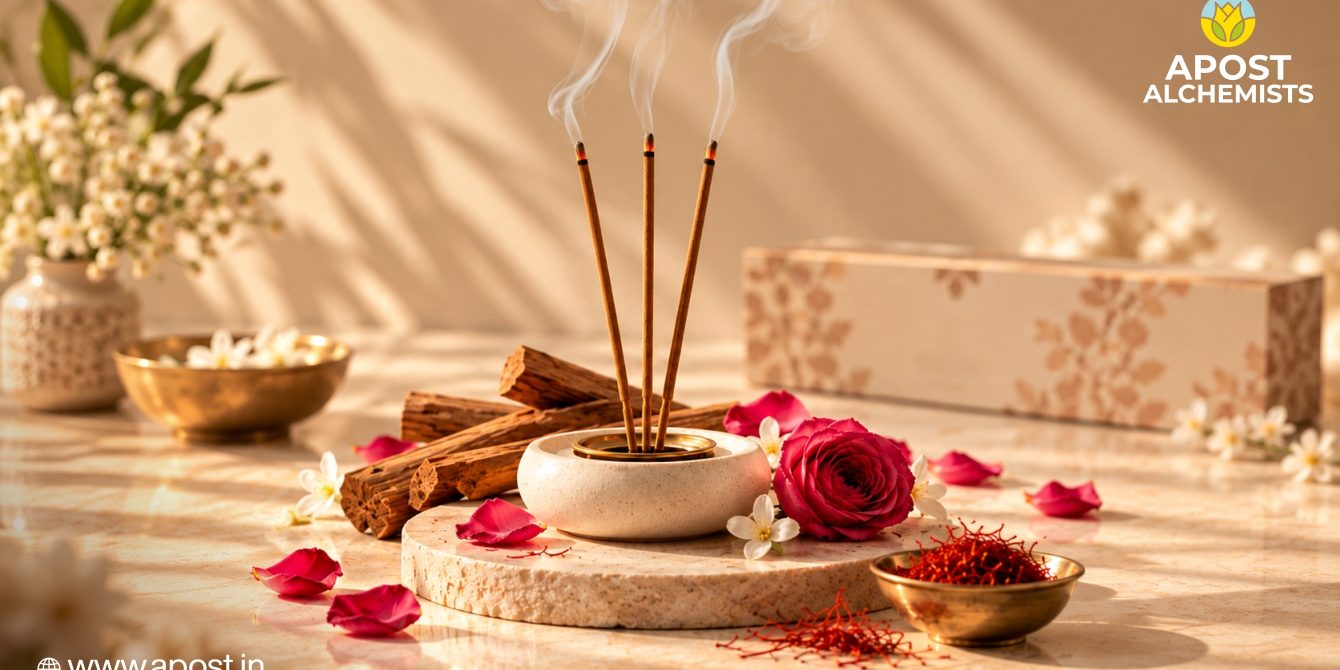
The familiar scent of sandalwood drifting through a morning prayer. The delicate warmth of rose and saffron setting the mood for a quiet evening. Both are expressions of the same age-old tradition, yet what sets them apart goes beyond the fragrance itself, from the ingredients and craftsmanship behind each stick to how the scent unfolds, lingers and transforms a space.
In India, where agarbatti has long been part of everyday rituals, incense is finding new relevance in wellness, home ambience and gifting. As the category evolves, so do expectations of fragrance. In this dynamic ecosystem, the difference between mass-market and premium incense goes beyond price. It is shaped by what consumers expect from every burning stick.
- Familiarity versus fragrance discovery: Mass-market agarbatti thrives on familiarity. Sandalwood, jasmine, rose and traditional temple-inspired fragrances offer recognisable aromas that consumers return to for daily rituals.Premium incense can build on this emotional connection while introducing greater complexity. Think sandalwood softened with creamy florals, saffron layered with warm woods, or contemporary blends inspired by spas and boutique hotels. The opportunity is not to replace traditional favourites, but to reinterpret them for new occasions and audiences.
- Ingredients that shape the experience: Fragrance composition is another critical differentiator. Mass-market incense often prioritises cost-efficient formulations that deliver a recognisable, dependable aroma at an accessible price. Premium formulations allow greater investment in carefully selected aromatic materials, distinctive accords and ingredient traceability. Natural extracts, resins and essential oils can contribute character, while well-chosen synthetic aroma molecules can improve consistency and performance. Premium quality comes from thoughtful formulation, not simply a natural-versus-synthetic distinction.
- Beyond fragrance strength: the art of performance: A strong initial aroma does not necessarily translate into a refined fragrance experience.For everyday incense, reliable scent diffusion, consistency and value across frequent use are important. Premium incense can place greater emphasis on how the fragrance unfolds during burning, balances intensity with comfort and leaves a pleasant impression without overwhelming the space. This makes testing across incense bases, burn conditions and fragrance concentrations especially important.
- From functional purchase to sensory experience: Mass-market agarbatti remains essential to India’s daily consumption, where accessibility, availability and trusted fragrance profiles matter.Premium incense increasingly speaks to additional occasions: meditation, relaxation, home styling and thoughtful gifting. Here, fragrance becomes part of a larger experience, alongside craftsmanship, packaging and product design. Consumers are not just choosing an aroma; they are choosing how they want a space to feel.
The opportunity for fragrance-led differentiation
For incense brands, the opportunity is not necessarily to choose between mass and premium, but to understand what each consumer values.
As expectations evolve, fragrance manufacturers can help brands develop distinctive compositions, refine burn performance and create collections that move from familiar rituals to elevated sensory experiences.Because premiumisation works best when consumers can experience the difference, not just see it on the price tag.
References:
- Indian Retailer. (2026, September 22). India’s Home Fragrance Market Moves Beyond Freshness.
- MARC Group. (2026, September 7). India Incense Sticks (Agarbatti & Dhoop) Market Size, Share, Trends and Forecast, 2026–2034.
- Abhinav Perfumers. (2026, February 27). Temple Notes vs Modern Profiles: How Agarbatti Brands Can Expand Without Losing Core Buyers.
- Ulooka Incense. (n.d.). Natural vs Chemical Incense Sticks: What’s the Difference?
- Inductus Global. (n.d.). A Complete Guide to Indian Incense for UK Home Wellness Brands.